How to Stop Emotional Spending
If you’re trying to figure out How to Stop Emotional Spending, just know I used to treat my debit card like a therapist. Bad day? Swipe. Good day? Swipe. Bored? Swipe. I wasn’t shopping — I was soothing. And honestly, my bank account deserved financial hazard pay.
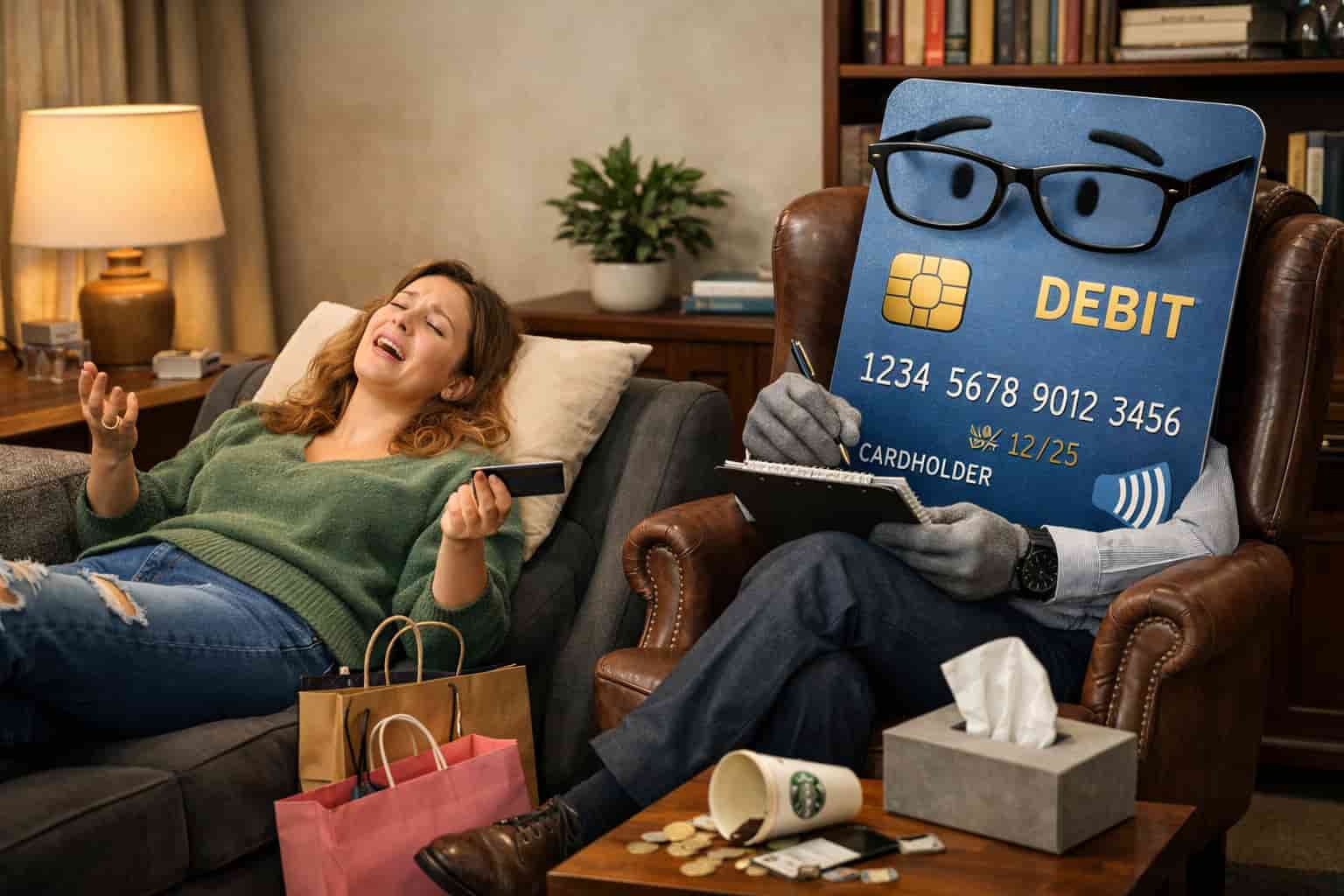
Eventually, I got tired of asking myself Why Am I Always Broke? I wanted to stop using shopping as a coping mechanism and start using it like a normal human who buys things because they need them — not because they’re spiraling.
So I finally learned How to Stop Emotional Spending in a way that didn’t require giving up iced coffee, deleting Amazon, or pretending I enjoy budgeting apps with confetti animations.
And it worked.
Why Learning How to Stop Emotional Spending Actually Feels Like Therapy
Before I learned How to Stop Emotional Spending, I thought I just needed more discipline. Nope. What I needed was to understand why I was shopping in the first place.
Emotional spending isn’t about money — it’s about:
- Avoiding feelings
- Filling boredom
- Rewarding yourself
- Numbing stress
- Chasing dopamine
- Feeling in control when everything else feels chaotic
Once I realized that, I stopped blaming myself and started noticing patterns. I also finally had the emotional bandwidth to start a Small Emergency Fund , because I wasn’t draining my account every time life got mildly inconvenient.
The “Emotional Spending Radar” — Spot It Before It Hits
I created what I call my Emotional Spending Radar — a quick mental scan I do whenever I feel the urge to buy something.
Here’s what I ask myself:
- Am I trying to avoid a feeling?
- Am I trying to create a feeling?
- Am I trying to reward myself for surviving the day?
- Am I bored and looking for stimulation?
- Am I stressed and looking for comfort?
- Am I lonely and looking for connection?
If I answer “yes” to any of these, I pause.
This one habit alone helped me understand How to Stop Emotional Spending because it forced me to check in with myself instead of checking out with my credit card. Once I learned how to check my emotions before spending, I moved on to learning how to actually track my spending the easiest way.
Emotional Spending vs Impulse Spending — They’re Not the Same
Impulse spending is:
“I didn’t plan to buy this, but it’s cute and on sale.”
Emotional spending is:
“I’m sad, stressed, overwhelmed, or bored, and buying this will distract me.”
Here’s how I tell the difference:
| Type | Trigger | Feeling After | Fix |
|---|---|---|---|
| Impulse | Sales, convenience | Mild regret | Pause rule |
| Emotional | Feelings | Emotional crash | Comfort menu |
Once I understood the difference, I could finally figure out How to Stop Emotional Spending without confusing it with every other spending habit I had.
The “Comfort Menu” — Your New Emotional Toolkit
This is one of the most powerful tools I’ve ever used.
Instead of shopping, I made a list of things that comfort me that don’t cost money:
- Hot shower
- Music
- A walk
- Calling a friend
- Cleaning one tiny thing
- Journaling
- Watching something funny
- Making tea
- Taking a nap
- Sitting outside for 5 minutes
Now, when I feel the urge to shop, I pick something from this list instead.
This is how I learned How to Stop Emotional Spending without feeling deprived or punished.
The “5‑Minute Delay Trick” That Saved My Wallet
Whenever I want to buy something, I set a timer for 5 minutes and do nothing.
During those 5 minutes, I ask myself:
- What emotion am I trying to fix?
- Will this purchase actually fix it?
- What would I tell a friend in this moment?
- What’s a free alternative that gives me the same feeling?
By the time the timer ends, the emotional wave has usually passed.
This tiny trick helped me understand How to Stop Emotional Spending because it gave my brain time to catch up with my feelings.
The “Emotional Spending Journal” — Yes, It Works
I know journaling sounds like homework, but hear me out.
Every time I emotionally spend, I write down:
- What I bought
- What I was feeling
- What triggered it
- What I actually needed
- What I could do next time
After two weeks, patterns jump out at you like a financial jump scare.
This is how I finally understood How to Fix Bad Spending Habits — not by guessing, but by seeing the emotional patterns in black and white.
The “Shopping Detox” — A Reset for Your Brain
I did a 7‑day emotional spending detox, and it changed everything.
Here’s how it works:
- No shopping for emotional reasons
- Essentials only
- No browsing stores for fun
- No “just looking” online
- No TikTok product videos
- No Amazon scrolling at night
By day 3, I realized how often I shopped out of habit.
By day 7, I felt like a different person.
This detox helped me understand How to Stop Emotional Spending because it broke the automatic cycle.
Build a “Feelings First Budget”
Instead of budgeting by category, I budget by emotion.
Here’s what I mean:
- Stress → $10 for comfort food
- Boredom → Free activities list
- Loneliness → Social time budget
- Overwhelm → Cleaning service fund
- Joy → Celebration fund
This is how I learned How to Make Your Paycheck Last Longer — by budgeting for the feelings that usually sabotage me.
What to Do After an Emotional Spending Slip
Here’s what I do when I slip:
- I don’t shame myself
- I don’t spiral
- I don’t “give up” and spend more
- I write down what happened
- I pick one tiny fix for next time
- I move on
Emotional spending is a habit — not a moral failure.
Section: The “Emotional Spending Recovery Plan” — What to Do Instead of Spiraling
One of the hardest parts of learning How to Stop Emotional Spending wasn’t stopping the spending — it was stopping the shame spiral afterward. I used to buy something I didn’t need, feel guilty, panic, and then… buy something else to feel better. Truly a beautiful cycle of chaos.
So I created a Recovery Plan that helps me bounce back without blowing more money.
Here’s exactly what I do when I feel myself slipping:
- Step 1: Pause the panic.
I remind myself this is a habit, not a personality flaw. - Step 2: Write down what triggered me.
Was it stress? Loneliness? Boredom? A TikTok girl telling me I “need” a $48 water bottle? - Step 3: Ask myself what I actually needed.
Comfort? Rest? Validation? A break? A hug? A nap? - Step 4: Do one thing from my Comfort Menu.
(Tea, walk, shower, music, journaling — anything that doesn’t require my debit card.) - Step 5: Move the purchase to a “review later” list.
I revisit it in 48 hours.
Spoiler: I almost never want it anymore. - Step 6: Re‑balance my budget gently.
Not with punishment — with awareness. - Step 7: Celebrate the fact that I caught it.
Awareness is the win. Not perfection.
This plan helped me stop turning one emotional purchase into a full‑blown financial meltdown. It’s also the reason I finally had the emotional space to start How to Build a Small Emergency Fund without feeling like I was constantly playing catch‑up.
The “Emotional Spending Prevention System” — Build a Life That Doesn’t Trigger Your Wallet
Stopping emotional spending isn’t just about reacting better — it’s about building a life that doesn’t constantly push you into emotional overload.
This is the part nobody talks about, but it’s the most powerful.
Here’s how I built a prevention system that keeps my emotions from hijacking my debit card:
1. I reduced my daily stress triggers
Because the more stressed I am, the more I shop.
- Simplified my routines
- Decluttered my space
- Set boundaries with draining people
- Stopped overcommitting
- Started taking 10‑minute breaks before I hit burnout
2. I created “friction” between me and spending
Not punishment — just speed bumps.
- Removed saved cards from websites
- Logged out of Amazon
- Deleted shopping apps
- Turned off push notifications
- Unsubscribed from sales emails
3. I built a weekly “emotional check‑in”
Every Sunday, I ask myself:
- What drained me this week?
- What energized me?
- What emotions kept showing up?
- What did I try to avoid?
- What did I try to soothe?
This is how I learned How to Stop Emotional Spending at the root — not just the surface.
4. I added more free joy into my life
Because emotional spending thrives in emotional emptiness.
- Walks
- Music
- Sunlight
- Cozy routines
- Creative hobbies
- Talking to actual humans
- Rest that isn’t scrolling
5. I made my money feel safe, not scary
When money feels chaotic, emotional spending skyrockets.
So I:
- Created a simple budget
- Set up automatic transfers
- Built a tiny buffer
- Stopped avoiding my bank app
- Started How to Make Your Paycheck Last Longer with small, doable changes
6. I gave myself permission to want things
This one surprised me.
When I stopped shaming myself for wanting comfort, I stopped chasing it through shopping.
What Happens When You Finally Stop Emotional Spending
Here’s what changed for me:
- I stopped panic‑spending
- I stopped avoiding my bank app
- I started saving without trying
- I felt calmer and more in control
- I finally built financial momentum
Breaking the cycle doesn’t mean perfection — it means awareness.
And when you finally get there, you’ll look back at all those emotional purchases and laugh… because you’ll know exactly how far you’ve come.
FAQ: How to Stop Emotional Spending
Q1: What is emotional spending and how do I know if I’m doing it
Emotional spending happens when you buy things to soothe a feeling instead of meeting a real need. If you shop when you’re stressed, bored, lonely, overwhelmed, or celebrating, you’re probably emotionally spending.
Q2: What’s the fastest way to stop emotional spending in the moment
Use the 5‑Minute Delay Trick. Pause, breathe, and ask yourself what emotion you’re trying to fix. Most urges fade once the emotional wave passes. Also when you learn to budget it helps you stay more in control.
Q3: How do I stop emotional spending at night
Nighttime spending is usually boredom or stress. Replace the habit with a “comfort menu” activity like a shower, tea, journaling, or a short walk. And log out of Amazon — trust me.
Q4: Can I still buy fun things if I’m trying to stop emotional spending
Yes. You’re not banning joy. You’re banning emotional autopilot. Give yourself a weekly fun‑money allowance so spending becomes intentional, not reactive.
Q5: What should I do after an emotional spending slip
Don’t shame yourself. Write down what triggered it, what you were feeling, and what you actually needed. Then move on. Awareness beats perfection every time.