3 Grocery Items You Should STOP Buying to Save $50 a Month
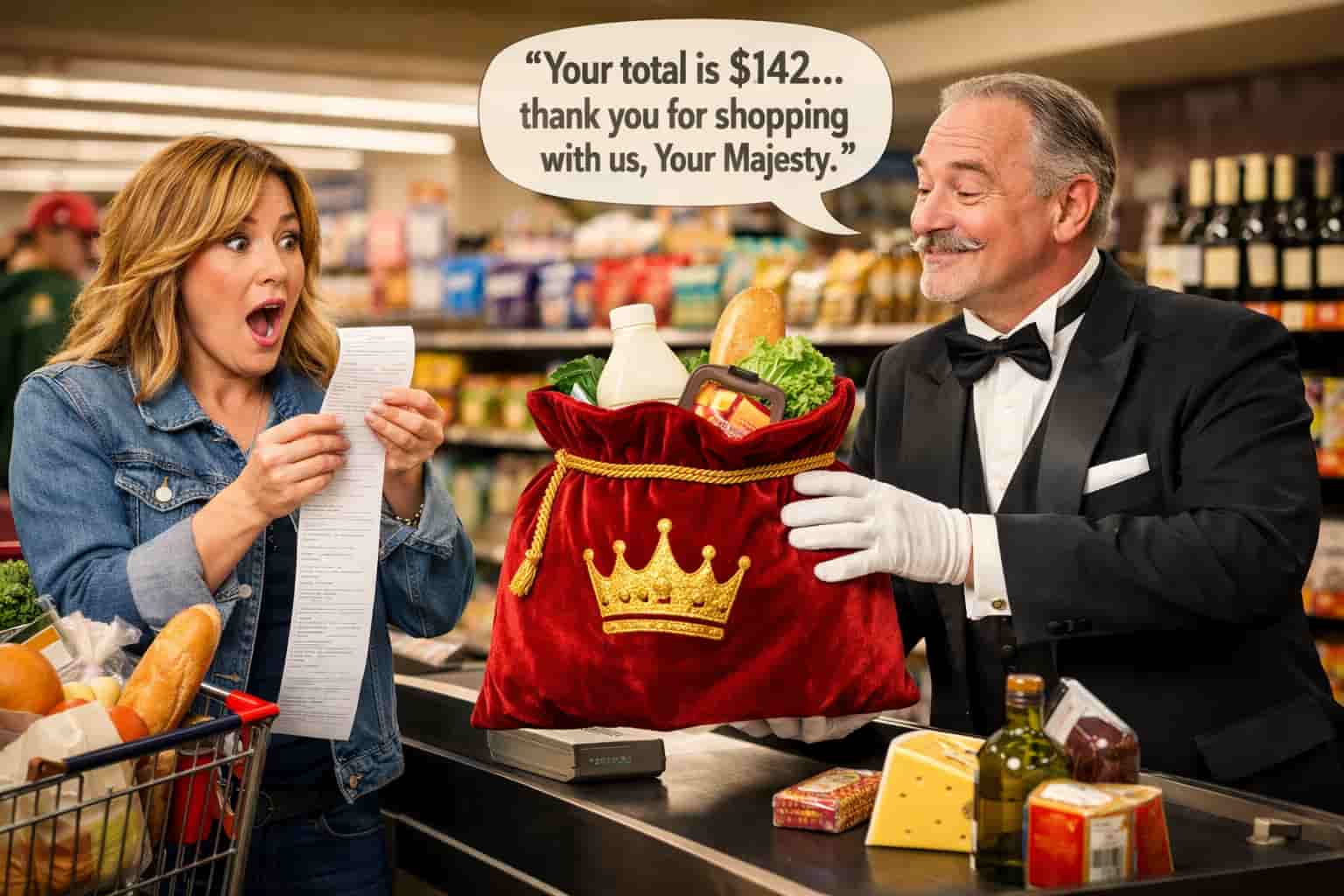
If you’ve ever walked out of the grocery store wondering how your “quick trip” turned into a $97 receipt, welcome to the club. I swear groceries have become the new luxury item. At this point, I half expect the cashier to hand me my groceries in a velvet bag and whisper, “Your total is $142… thank you for shopping with us, Your Majesty.”
But here’s the good news: you can cut your bill fast by ditching a few sneaky items that quietly drain your wallet. These are the grocery items you should stop buying if you want to save money without eating sad, flavorless meals.
And yes, I’m speaking from experience. I used to buy all three of these without thinking. Now I skip them, and my grocery bill finally stopped acting like it’s trying to win an Olympic high‑jump medal.
Before we dive in, if you want more ways to save, check out my post I wrote How To Cut Your Grocery Bill .
Alright, let’s get into the fun stuff.
1. Pre‑Cut Fruits and Vegetables (Top Grocery Item You Should Stop Buying)
Let me confess something: I used to buy pre‑cut pineapple like I was a celebrity who didn’t have time to touch a knife. Then one day I looked at the price tag and realized I was paying $6.99 for six sad little cubes floating in a plastic coffin.
Pre‑cut produce is one of the biggest grocery items you should stop buying because the markup is outrageous. You’re not paying for better fruit. You’re paying for someone in the back room to chop it for you.
Why it drains your wallet
- It costs 3–5x more than whole produce
- It spoils faster (because it’s already exposed to air)
- You get smaller portions
- You’re basically paying for plastic and convenience
What to do instead
Buy whole produce and cut it yourself. A whole pineapple is usually cheaper than the tiny pre‑cut container, and you get twice the amount. Same with melons, carrots, onions, and peppers.
Real savings
If you buy pre‑cut produce twice a week, you’re wasting $30–$40 a month. That’s a whole tank of gas. Or half a tank, depending on the mood of gas prices that week.
USDA Food Buying Guide
A government resource that helps people compare food costs and serving sizes.
2. Bottled Drinks (Another Grocery Item You Should Stop Buying)
I love a good iced tea, but bottled drinks are basically liquid money traps. I used to toss them into my cart like they were harmless little treats. Then I realized I was spending $12–$20 a week on drinks I could make at home for pennies.
Bottled teas, lemonades, cold brews, fancy juices — these are all grocery items you should stop buying if you’re serious about saving money.
Why it drains your wallet
- $2–$4 per bottle adds up fast
- Cold brew bottles are $4–$6 each
- Lemonade jugs can cost $6–$8
- You’re paying for branding, packaging, and shelf space
What to do instead
Make your own versions at home:
- Brew a pitcher of tea for under 20 cents
- Make lemonade with lemons + sugar for under $1
- Brew cold brew concentrate for $0.50 per serving
Real savings
If you buy 3–4 bottled drinks a week, that’s $50–$80 a month. That’s a phone bill. Or a nice dinner. Or 17 more bottles of iced tea (but don’t do that).
3. Brand‑Name Cleaning Supplies (A Sneaky Grocery Item to Stop Buying)
This one shocked me. I used to think brand‑name cleaners were “better.” Then I learned many store brands use the exact same formulas. The only difference is the label and the price tag.
Brand‑name cleaners are absolutely grocery items you should stop buying if you want to cut your bill without sacrificing cleanliness.
Why it drains your wallet
- Brand names cost 30–70% more
- Many store brands are identical
- You’re paying for marketing, not performance
What to do instead
- Buy store‑brand cleaners
- Use vinegar + water for surfaces
- Use baking soda for scrubbing
- Use lemon juice for deodorizing
Real savings
Switching to store brands can save $20–$30 a month. That’s money you can put toward bills, savings, or a treat that doesn’t come in a spray bottle.
4. Why These Items Cost So Much (The Psychology Behind It)
Grocery stores are sneaky. They place the most overpriced items at eye level, right where your tired, hungry brain will grab them without thinking.
Pre‑cut produce? Eye level.
Bottled drinks? Right by the checkout.
Brand‑name cleaners? Big, shiny labels facing you like they’re auditioning for a commercial.
Stores know convenience sells. And they know we’re tired. That’s why these grocery items you should stop buying are always front and center.
Once you understand the psychology, you start seeing the traps everywhere — and you stop falling for them.
5. How I Build a “Smart Grocery List” That Saves Money Automatically
A smart grocery list is basically your shield against overpriced nonsense. Mine focuses on:
- Whole foods
- Basic ingredients
- Multi‑use items
- Store brands
- Staples that stretch
Before you shop you might want to take a look at this Cheap Meal Plan for a Week so you know what to buy.
Examples:
- Whole carrots instead of baby carrots
- Whole fruit instead of pre‑cut
- Frozen veggies instead of fresh when prices spike
- Rice, beans, pasta
- Store‑brand spices
This list alone cuts my bill by 20–30%. And it keeps me from wandering into the “fancy snack” aisle where budgets go to die.
While you’re at it you might want to check out the cheapest foods to buy when you have no money.
6. The $5 Rule (My Favorite Trick)
Before I put anything in my cart, I ask myself:
“Can I make this for under $5?”
If the answer is yes, I put it back.
This rule eliminates:
- Bottled drinks
- Pre‑cut fruit
- Pre‑made salads
- Fancy dips
- Brand‑name cleaners
It’s simple, but it works. And it keeps me from buying things that are basically convenience disguised as necessity.
7. Easy Swaps That Save $50–$100 a Month
Here are some of my favorite swaps:
| Expensive Item | Cheaper Alternative |
|---|---|
| Pre‑cut fruit | Whole fruit |
| Bottled tea | Homemade tea |
| Cold brew | DIY cold brew |
| Brand cleaners | Store brand |
| Pre‑shredded cheese | Block cheese |
| Single‑serve snacks | Bulk bags |
These swaps are painless and save real money. And yes, shredding your own cheese is worth it. I promise.
8. How to Avoid Impulse Buys (The Silent Budget Killer)
Impulse buys are the reason your $40 trip becomes $97. Stores design their layouts to make you grab things you didn’t plan on buying.
Here’s how I avoid them:
- I shop with a list
- I eat before I go
- I stick to the outer aisles
- I ignore “limited time” displays
- I avoid end‑caps unless I need the item
Impulse buys can add $40–$80 a month to your bill. That’s wild. And totally avoidable.
9. Why Saving Money on Groceries Matters (Even Small Wins Add Up)
Cutting $50 a month from your grocery bill equals:
- $600 a year
- $3,000 in 5 years
- $6,000 in 10 years
That’s a vacation. A savings cushion. A debt payment. A new laptop. Or just peace of mind.
Small changes compound. That’s why focusing on grocery items you should stop buying is such a powerful first step.
10. The “Grocery Math” Trick That Finally Made Everything Click
One of the biggest reasons I overspent at the store was simple: I never actually did the math. I’d toss things into my cart like I was on a cooking show with an unlimited budget. But once I started paying attention to unit prices, everything changed. Suddenly, I could see which grocery items to stop buying because the numbers were basically screaming at me.
Here’s the trick: before you buy anything, compare the price per ounce, per pound, or per serving. It takes two seconds and saves you from paying $6 for a tiny bag of “artisan” chips that contains approximately seven crumbs and a dream. Once you start comparing unit prices, you’ll notice how often the “sale” sticker is lying to your face. This one habit alone can save you $20–$40 a month without changing a single thing you eat.
FAQ: Grocery Items You Should Stop Buying
What are the top grocery items you should stop buying if I want to save money fast?
Pre‑cut produce, bottled drinks, and brand‑name cleaners are the biggest money drains. These grocery items you should stop buying offer the fastest savings with zero lifestyle changes.
Is it really cheaper to buy whole produce instead of pre‑cut?
Yes — dramatically. Whole produce can be 3–5x cheaper, lasts longer, and gives you more food for your money.
Do store‑brand cleaners work as well as brand names?
Most of the time, yes. Many store brands use similar formulas. They’re one of the easiest grocery items you should stop buying if you want instant savings.
How much can I save by cutting these items?
Most people save $50–$100 a month just by avoiding these three categories.
What should I read next?
Now that you know which grocery items you should stop buying you might be interested in saving on other things.
Check out How to Save Money Fast for Beginners for more simple ways to save everyday.
Final Thoughts
You don’t need to overhaul your entire life to save money. Just start with the biggest markups — the grocery items you should stop buying that quietly inflate your bill every month.
Skip the pre‑cut produce.
Skip the bottled drinks.
Skip the brand‑name cleaners.
Your wallet will thank you. And honestly, so will your sanity.
You may also like: How to Stop Eating Out to Save Money